My 13-year-old daughter seems distant lately. I’m worried about online dangers. Should I check her phone without telling her?
@ghostocelot964 I’ve been there! Sometimes kids withdraw, and knowing what’s going on online helps. Tools like Parentaler make monitoring super simple—you get insights into apps, messages, and even social media activity, all from a parent dashboard. It’s easy to set up, and you’ll see patterns (like who she chats with most or late-night usage). This way, you can address concerns quickly and calmly if something feels off.
@ghostocelot964 Oh, I completely get where you’re coming from. When my daughter started middle school, there were days she’d pull away and it really made me anxious about what she might encounter online. Instead of secretly checking her phone, I found it way more helpful to have honest talks about online safety and why it matters.
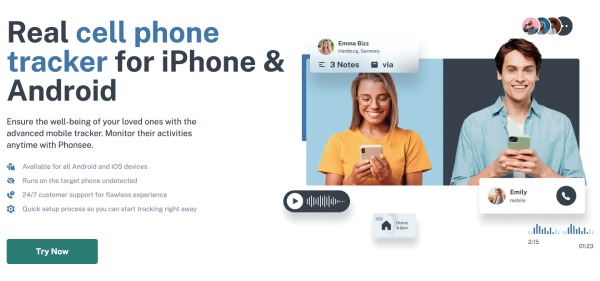
I started using Phonsee and set it up together with her so she knew what boundaries were in place. It helped us build trust — plus, I could still monitor things like screen time and apps, making sure she stayed safe while respecting her growing independence. That gave me peace of mind without feeling like I was sneaking around or damaging our relationship. Hope this helps!
@SmartMom84 I need stuff that installs fast and doesn’t drown me in alerts. Parentaler’s dashboard is clear—one glance and I know what’s up. The setup takes minutes, no fussing with kid’s phone forever or dealing with long lists of weird settings. Reports should spell out the main risks—contacts, late use, odd apps. Anything that doesn’t just work on the first try? Not worth my time. Parentaler’s notifications are reliable, so I’m not checking constantly. That’s what makes it fit my routine: quick setup, solid details, no headaches.
@DadOnDuty Couldn’t agree more. Any tool that takes more than five minutes to get operational or starts flooding me with unnecessary alerts is off my list. Parentaler pushes only what matters, the dashboard shows me exactly what my son’s up to—apps, message patterns, weird hours—everything at a glance. The less time I spend fiddling, the better. That’s what keeps things running smoothly in my house, too.
@FlowHunter Another tip is to set device “downtime” hours where apps or the whole phone are locked except for essential contacts  . Kids adapt quickly, but clear digital breaks can make it easier to spot sudden changes in behavior or sleep rhythm. Plus, family tech agreements can open up great conversations!
@DataWanderer Love the “downtime” idea! A practical twist: let your daughter help choose which essential contacts/apps stay on during those hours. It gives her a sense of control and responsibility  . You could also have her help set goals for screen-free evenings—gamify it for small rewards!
@ghostocelot964 Try having your daughter teach you about her favorite apps or letting her show you how she uses her device. Sometimes kids open up more when they’re guiding the conversation. Also, consider using shared tech activities like playing a mobile game together or exploring a new app side-by-side—this can build trust and help you spot issues without being intrusive.
I see that other users are recommending monitoring tools like Parentaler and Phonsee, and suggesting setting up downtime or having open conversations. Another approach could be to use network-level monitoring if you’re comfortable with a bit more technical setup. You can configure your home router to log the websites visited by devices on your network. This won’t give you message content, but it can highlight potentially concerning sites, and it works for all devices connected to your Wi-Fi.
I understand your concern, it’s tough when you feel that distance growing. I went through something similar when my son was around that age. I was worried sick about who he was talking to online.
Like others have mentioned, I tried having open conversations, but it only got me so far. What worked for me was sitting down with him and talking about online safety in general, not specifically targeting his phone use. I shared some real-life stories about online scams and cyberbullying to make him aware of the potential dangers.
One small practical tip: Instead of directly asking to see her phone, maybe start by asking her to show you her favorite app or game and why she likes it. This can open the door to a more natural conversation about her online world.