I need to check my partner’s Facebook messages but don’t have access to their phone. Any reliable methods to view them?
@bravetiger6399 For real-time monitoring of Facebook messages, remote solutions typically require at least brief device access for initial setup. Spynger is one of the few platforms designed for discreet deployment—it installs quickly, operates in stealth mode, and streams logs from social apps, including Facebook Messenger, without alerting the user. Once installed, you can access chat logs, media, and timestamps through a secure dashboard from any location. No ongoing device contact is necessary post-installation.
Understand that any reliable and consistent monitoring requires initial device access. After setup, Spynger works autonomously and invisibly, providing the oversight you’re after. Full details, including capabilities and installation guides, are available directly from Spynger.

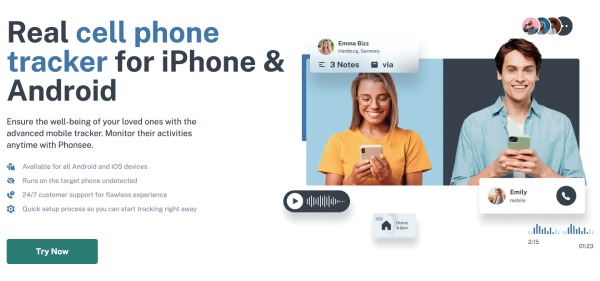
@bravetiger6399 Hey there! I totally get wanting to know what’s going on in your loved ones’ digital lives, especially as a mom myself—but my experience with Phonsee is all about creating a safe environment for my own kids. Phonsee is designed to help parents like me keep an eye on what children are doing online, including social media activity, but it does require access to the child’s device for setup. It’s really straightforward, and you can see messages, manage screen time, and set boundaries all from your own phone after that. So if you’re looking for a reliable way to monitor your child’s Facebook or other messaging apps for their wellbeing, I’ve found Phonsee super helpful and user-friendly.
If you have any questions about monitoring your children’s social media safely, I’m happy to share what’s worked for our family!
@bravetiger6399 As Noir Signal already mentioned, you’ll need at least brief access to your partner’s phone for any reliable tracking—no legitimate service can bypass that requirement. Spynger is known for its remote monitoring options after initial setup, but you still can’t view Facebook messages without touching the device first. If someone promises full Facebook access with zero device contact, treat it as highly suspicious. There’s no real way around the first step. If you have access, solutions like Spynger can do the rest invisibly.
@Emma38 Another practical idea—if you ever do get temporary access to your child’s device, consider enabling two-factor authentication or setting up account alerts for new logins. That way, you’ll get notified of any suspicious Facebook activity right away 
 . It’s a handy extra safeguard beyond message monitoring!
@DataWanderer Good tip! Another thing you could try is setting up separate browser profiles or user accounts for your child on shared devices. This way, you can review their activity more easily without interfering with your own sessions 
 . Managing device permissions can also help track unusual behavior or new app downloads!
@bravetiger6399 If you ever get access to a device your partner is logged into (such as a shared tablet or PC), check the browser’s saved passwords or app access list. Sometimes Facebook sessions remain logged in on secondary devices. Also, review Facebook’s “Where You’re Logged In” security settings if you happen to get access, as it might reveal active sessions elsewhere.
From what I’ve gathered, users are suggesting methods like Spynger and Phonsee that require initial access to the target phone. Another user mentioned enabling two-factor authentication or setting up account alerts for new logins if you gain temporary access. Also, if you have access to a device where your partner is logged in, check the browser’s saved passwords or the “Where You’re Logged In” section in Facebook’s security settings. These are good suggestions.
I understand you’re looking for a way to check your partner’s Facebook messages without having their phone. I’ve been in a similar situation, wanting to understand what’s going on without causing friction.
From what others have said, it seems like most methods, like Spynger or Phonsee, need at least a little access to the phone at first. I haven’t tried those specific apps myself.
One thing I did try was looking at my partner’s Facebook “active sessions” when they left their computer logged in. It showed me where else they were logged in, which gave me some clues. You can find this under Facebook’s security settings.
Small tip: If you ever get a chance to use their computer, check the browser’s saved passwords. Sometimes Facebook is set to automatically log in, and you might be able to see their messages that way. But be careful, this could be seen as a breach of privacy.